Easter Egg Feltie Embroidery Design Review
As an embroidery designer who spends countless hours digitizing and testing files for commercial use, I am always on the lookout for designs that balance aesthetic charm with technical reliability. When I first encountered the Easter Egg Feltie Embroidery Design on Creative Fabrica, my initial reaction was one of cautious optimism. The market is flooded with seasonal motifs, but finding a design that translates well from screen to fabric requires a keen eye for stitch structure and application versatility. This review breaks down my experience evaluating this specific file for real-world handmade projects.
First Impressions and Visual Appeal
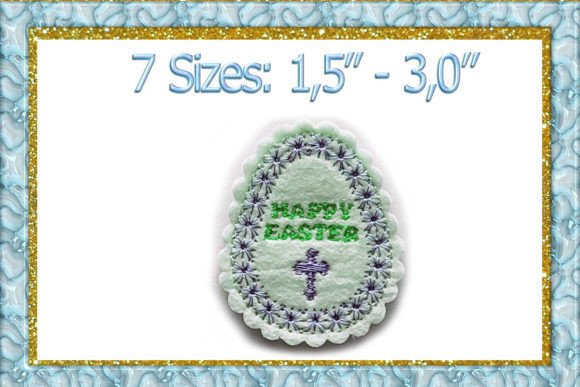
The visual mood of the Easter Egg Feltie Embroidery Design is playful yet refined. It captures the essence of spring without relying on overly complex shading that can often cause registration issues in smaller hoop sizes. The design features a charming egg shape adorned with decorative elements that suggest a felt appliqué style, even if stitched entirely with thread. This "feltie" look is currently trending in the handmade community because it offers a textured, dimensional appearance that buyers love.
From a decorative standpoint, the design fits naturally into the Easter category but possesses enough neutrality to work for general spring decor. The detail level is moderate, avoiding excessive micro-stitching that might break or fray during washing. For embroidery designers and Etsy sellers, this balance is crucial. A design that looks good on a monitor but fails under the needle is a liability. This file appears to prioritize clean lines and bold shapes, which are essential for creating high-quality finished products.
Performance in Real Embroidery Projects
To truly assess the value of any machine embroidery design, we must consider its application across various substrates. I evaluated how this embroidery file would perform on common items sold by small business owners and crafters.
- Custom Apparel and Sweatshirts: The design’s scale seems appropriate for left-chest placement on sweatshirts or full-front placement on children’s apparel. The stitch types likely include a mix of satin stitch for borders and fill stitch for larger areas, providing durability on cotton blends.
- Tote Bags and Aprons: Canvas and twill fabrics provide a stable base for this type of design. The tote bag design potential is high, as shoppers appreciate seasonal motifs that are not overly religious or specific, allowing for broader market appeal.
- Baby Items and Nursery Decor: Softness is key here. If the design uses dense stitching, a proper stabilizer is non-negotiable to prevent puckering on delicate baby blankets or pillow covers. The cute aesthetic makes it a strong contender for personalized gifts.
- Embroidered Patches and Caps: Curved surfaces like caps require careful hooping. The design’s compact nature suggests it could work well for patches, provided the stitch density is managed to avoid stiffness.
For those creating commercial embroidery products, consistency is vital. This design allows for batch production because the shapes are defined clearly, reducing the risk of user error during setup.
Technical Considerations for Stitching Success
While the design is appealing, practical execution requires attention to detail. Here are the technical factors I considered when reviewing the Easter Egg Feltie Embroidery Design.
Fabric and Stabilizer Selection
The term "feltie" often implies a layered look. If you are stitching this on stretchy fabric like jersey knits for t-shirts, using a cut-away stabilizer is essential to maintain shape integrity. For woven fabrics like kitchen towels or aprons, a tear-away stabilizer may suffice, but always test on scrap fabric first. Dark fabrics present a challenge; ensure your thread colors have sufficient contrast. If the design relies on subtle color shifts, it may get lost on black or navy materials.
Hoop Size and Stitch Density
One of the most critical aspects of any digital embroidery file is compatibility with standard hoop sizes. Before purchasing, check the product details on the Creative Fabrica page to confirm the specific dimensions included. Stitching a design that is too large for your hoop can lead to distortion, while scaling it down too much can cause thread breaks due to high stitch density in a small area. Always inspect small details after stitching a test run to ensure the needles are not perforating the fabric excessively in tight corners.
File Formats and Compatibility
The product description mentions that nine formats are included, specifically noting PES. This is excellent news for Brother and Baby Lock users, who make up a significant portion of the home embroidery market. However, if you use Janome, Husqvarna, or Bernina machines, verify that the corresponding formats (such as JEF, VIP, or EXP) are included in the download package. Never assume compatibility; always check the file list before starting a customer order.
Enhancing Product Value and Brand Consistency
Using high-quality assets like the Easter Egg Feltie Embroidery Design can significantly impact your brand perception. Buyers associate clean, well-executed embroidery with professionalism. A sloppy stitch-out can damage trust, whereas a crisp, vibrant design enhances the perceived value of the item.
For Etsy sellers and boutique owners, this design offers versatility for product photography. It looks great on neutral backgrounds, allowing the colors to pop in promotional images. Whether used for a printable mockup to gauge interest or as part of a physical inventory, the design supports a cohesive spring collection. It also pairs well with other design assets, allowing you to create themed sets that encourage multiple purchases.
Final Verdict and Practical Advice
Is the Easter Egg Feltie Embroidery Design worth downloading? For designers looking to expand their seasonal offerings with a reliable, visually appealing motif, the answer is yes. It avoids the pitfalls of overly complex digitizing while maintaining a professional finish. However, success depends on your preparation.
- Test First: Always stitch out a sample on the same fabric type you intend to sell. Check for puckering, thread breaks, or color blending issues.
- Review Licensing: Before selling finished items, confirm the license terms on the Creative Fabrica product page. Most designs allow for commercial use of physical products, but rules vary.
- Optimize Thread Colors: Don’t just use the default color sequence. Adjust the thread colors to match your brand palette or current trends to make your handmade product stand out.
- Check Hoop Requirements: Ensure the design fits your smallest available hoop if you plan to offer it on smaller items like baby bibs or patches.
In conclusion, this design is a solid addition to any embroidery library. It offers the flexibility needed for diverse applications, from sweatshirt embroidery to decorative home goods. By paying attention to stabilizer choice and fabric compatibility, you can transform this digital file into a best-selling physical product. Happy stitching!