Review: Circle Splash Fish Embroidery Design
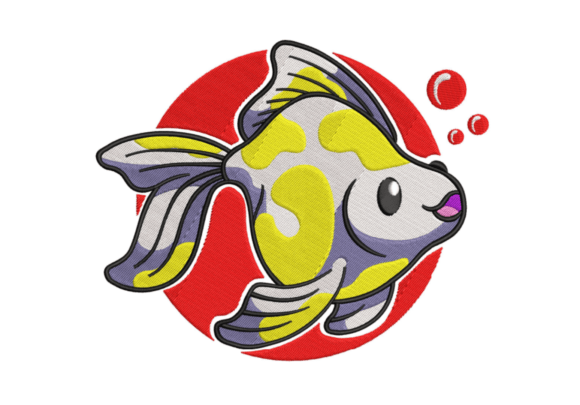
As a designer who spends more time staring at stitch previews than actual fabric, I have learned to be skeptical of aquatic motifs. Water is notoriously difficult to digitize without turning into a muddy mess of random fill stitches. However, when I first loaded the Circle Splash Fish Embroidery Design into my software, I paused. The composition felt intentional, not just decorative. It captures a moment of motion—a fish breaking the surface—framed within a circular boundary that suggests a ripple or a portal. For those of us in the craft business, finding a design that balances artistic flair with technical stitchability is rare. This piece demands a closer look before it hits the hoop.
The Visual Impact and Mood
The immediate impression of this design is energy. Unlike static fish illustrations that sit flatly on fabric, this design utilizes the "splash" element to create depth. The tail motion is visualized through directional stitching that guides the eye around the circle. This is crucial for a machine embroidery design because it prevents the final product from looking like a sticker slapped onto cloth. The mood is playful yet sophisticated, making it versatile enough for a child’s nursery or a boutique adult apparel line.
The natural detailing of the scales and fins suggests a mix of satin stitch borders and textured fill stitch interiors. In my experience, this combination adds tactile interest. When a customer touches a handmade product, that texture is often what convinces them to buy. It signals quality and effort, distinguishing your work from mass-produced prints.
Real-World Application: The Tote Bag Test
To truly evaluate an embroidery file, you must visualize it on a specific product. I imagined this design on a heavy canvas tote bag, a staple for any Etsy seller or small shop owner. The circular frame works exceptionally well here because it contains the design neatly, preventing loose threads or complex edges from catching on the bag’s contents. Imagine this as a summer collection item: bright blues and teals against a natural beige canvas. The contrast would be striking.
Beyond totes, consider sweatshirt embroidery. A left-chest placement of this design on a heather grey hoodie offers a subtle, professional look. It is small enough to be understated but detailed enough to show off the machine’s precision. For custom apparel businesses, this versatility is gold. You can offer it as a standalone motif or pair it with personalized text below the circle, creating a high-value personalized gift option.
Challenges with Fabric and Hoops
While the design is strong, practical application requires caution. The intricate splash details mean there are likely areas of higher stitch density. If you are working with thin fabric, such as a lightweight t-shirt or a silk blend, you must use a proper stabilizer. Without it, the fabric may pucker around the dense water elements, ruining the clean circular shape. I always recommend testing on scrap fabric first, especially if you are using a smaller hoop size.
Curved surfaces present another challenge. Applying this to a cap requires careful hooping. The circular nature of the design actually helps here, as it aligns naturally with the curve of a baseball cap front panel. However, ensure the thread colors have enough contrast against the cap material. On dark fabrics, you might need to adjust the underlay or use a lighter thread palette to ensure the fish does not disappear into the background.
Commercial Viability and Branding
For commercial embroidery projects, consistency is key. This design lends itself well to brand consistency because the circular frame acts as a logo-like element. If you are building a brand around ocean conservation, summer vibes, or aquatic sports, this asset fits seamlessly. It enhances buyer engagement because it tells a story rather than just displaying an object.
When creating printable mockups for your online store, remember that digital previews can be misleading. A digital embroidery file might look smooth on screen, but real thread has sheen and texture. Use high-quality photos of the stitched result on various fabric textures to build trust. Show the design on a towel, a pillow cover, and a garment. This demonstrates the versatility of the design assets you are offering.
Technical Considerations for Makers
Before committing to a large production run, check the following:
- Stitch Count and Density: Verify the total stitch count. If it is excessively high, it may take too long to produce, eating into your profit margins. Check if the splash areas use efficient running stitches or dense fills.
- Color Separation: Review the color stops. A design with too many frequent color changes can slow down production and increase the risk of thread breaks. Ensure the transition between the fish body and the water splash is logical.
- Small Details: Zoom in on the fins and scales. Are they too small for your machine’s needle to handle? Tiny details can get lost or cause bunching if the stabilizer is not firm enough.
- Licensing: Always confirm the license terms. Can you sell finished items made with this embroidery project? Can you resell the digital file? Clear licensing protects your craft business from legal issues.
Final Verdict for Designers
The Circle Splash Fish Embroidery Design is a robust choice for makers who want to elevate their small shop product lineup. It moves beyond generic clipart by incorporating motion and framing that suits modern aesthetic trends. Whether you are creating holiday embroidery gifts, baby embroidery for a shower, or embroidered patch designs for a jacket, this file holds up under scrutiny.
Remember, the success of the finished product depends on your execution. Test different thread colors to find the perfect aquatic palette. Experiment with metallic threads for the water splash to add a premium feel. By treating this design as a flexible component of your broader creative strategy, you can create items that resonate with customers and stand out in a crowded marketplace. It is not just a fish; it is a statement of quality craftsmanship.