Reviewing Cute Chicken Embroidery for Craft Fair Success
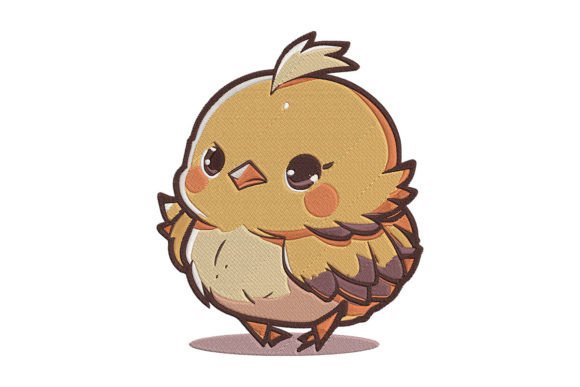
As an embroidery designer who has spent countless weekends standing behind booth tables, I know that the difference between a browsing customer and a buying customer often comes down to visual impact. When I first loaded the Cute Chicken Embroidery design into my software, my immediate reaction was one of relief. In a market saturated with complex, overly detailed patterns, there is a distinct commercial advantage to simplicity. This design captures the essence of the Baby Animals category without becoming cluttered. It feels soft, approachable, and inherently cheerful, which are critical emotional triggers for impulse buys at handmade markets.
First Impressions and Market Appeal
The initial glance at this machine embroidery design suggests a versatile aesthetic. It does not lean too heavily into rustic farmhouse trends, nor does it try to be ultra-modern minimalism. Instead, it sits comfortably in a "modern cute" space that appeals to a broad demographic. For craft fair sellers, this is vital. You want a design that stops parents looking for baby gifts, young adults seeking unique home decor, and grandparents wanting something sentimental. The adorable baby chick motif is instantly recognizable. There is no ambiguity. In a busy craft fair environment, where customers walk past hundreds of items, clarity is king. If they have to squint to figure out what the image is, you have likely lost the sale.
Strategic Product Placement for Maximum Sales
When planning my booth inventory, I evaluate where a specific embroidery file will perform best. For Cute Chicken Embroidery, the potential extends far beyond standard onesies. While baby clothes are an obvious choice, I find that home goods often yield higher profit margins and less sizing hassle. Consider applying this design to heavy canvas tote bags. A single, well-placed chick on a natural cotton tote creates an instant tote bag design that feels boutique rather than mass-produced. It transforms a utility item into a statement piece.
Kitchen textiles are another high-volume category. Tea towel embroidery is a staple of successful handmade shops because towels are affordable entry-point products. Placing this chick design on the corner of a waffle-weave or linen-blend towel adds charm without overwhelming the fabric. Similarly, apron embroidery offers a larger canvas. You can position the design over the pocket area, creating a focal point that draws the eye upward. For smaller items, consider embroidered patch production. Iron-on or sew-on patches allow customers to customize their own jackets or backpacks, adding an interactive element to your sales process.
Production Practicality and Batch Efficiency
From a production standpoint, time is money. A design that takes twenty minutes to hoop and stitch is rarely viable for high-volume craft fair product lines unless you charge a premium. This design appears optimized for speed. The shapes are solid and likely require fewer thread changes than intricate floral patterns. This makes it ideal for batch production. I can hoop five caps or ten pouches and run them through the machine with minimal intervention. This efficiency allows me to keep stock levels high during peak seasons like spring and Easter.
However, practical judgment is required regarding stitch density. While the design looks clean, I always advise testing on scrap fabric first. Dense areas can cause puckering, especially on lighter fabrics like voile or thin cotton. If the design includes small details, ensure they do not get lost in the texture of the material. For example, on a thick, textured terry cloth towel, fine details might disappear. In such cases, increasing the size slightly or choosing a smoother fabric like flour sack cotton ensures the finished product retains its clarity.
Navigating Technical Challenges
Every designer encounters hurdles, and this design is no exception. When working with curved surfaces like baseball caps, registration can be tricky. The chick must be centered perfectly, or it will look skewed. I recommend using a cap frame and a strong cut-away stabilizer to prevent distortion. Additionally, thread colors play a massive role in perceived quality. A bright yellow chick on a white background may lack contrast. I suggest testing complementary colors, such as a soft pastel yellow on navy blue, or a vibrant orange on cream, to make the design pop.
Dark fabrics present another challenge. If you plan to offer this on black tote bags or dark denim, you must ensure the design does not rely on light-colored underlay stitches that might show through. Always check the hoop size requirements against your machine’s capabilities. If the design is large, ensure you have the appropriate frame to avoid re-hooping, which can lead to misalignment.
Enhancing Brand Consistency and Online Presence
For Etsy seller accounts and online boutiques, photography is everything. This design photographs exceptionally well because of its clear outlines and cheerful subject matter. When creating listings, use a printable mockup to visualize the design on various products before stitching a single thread. This saves material costs and helps you plan your design assets for social media marketing. Consistent use of this motif across different products—pillow covers, market bags, and wall art—builds a cohesive brand identity. Customers begin to recognize your style, which fosters loyalty and repeat business.
Moreover, the versatility of this digital embroidery file allows for seasonal pivots. In spring, it fits perfectly with Easter themes. In summer, it works for picnic-themed accessories. This adaptability extends the lifecycle of the design, making it a valuable asset in your commercial library.
Final Designer Notes for Commercial Use
Before launching this as a small shop product, there are critical steps to take. First, verify the commercial licensing terms. Not all digital embroidery file purchases allow for unlimited physical sales. Ensure you have the right to sell finished goods. Second, create a real-world mockup. Stitch the design on the exact fabric you intend to sell. Check for thread breaks, tension issues, and overall aesthetic balance. Compare how it looks on different fabric textures to determine which materials highlight the design best.
Ultimately, Cute Chicken Embroidery is a strong contender for any handmade business. It balances cuteness with professionalism, offering a design that is easy to produce, easy to sell, and delightful to own. By focusing on high-contrast applications and efficient batch production, you can turn this simple chick into a significant revenue stream for your next market event.