Trains Machine Embroidery Design Review
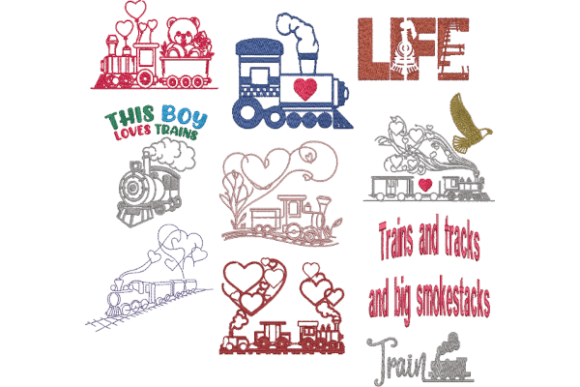
As an embroidery designer who has spent years digitizing files and consulting with small business owners, I approach every new machine embroidery design with a critical eye. It is not enough for a file to look cute on a screen; it must perform under the needle, withstand wear and tear, and elevate the brand it represents. Recently, I evaluated the Trains Machine Embroidery Design, a collection described as an enduring cross-generational delight. While the initial description highlights whimsical charm for children, my focus was strictly on its viability for commercial use. Could this playful motif serve as a serious asset for branded merchandise, staff uniforms, or boutique product lines? Here is my professional breakdown.
First Impressions: Balancing Whimsy and Professionalism
The first thing you notice about the Trains Machine Embroidery Design is its inherent friendliness. In the world of brand identity, tone is everything. This design does not scream corporate rigidity; instead, it offers a warm, approachable aesthetic. For businesses in the Travel sector, such as family-oriented tour operators, local heritage railways, or boutique hotels with a vintage theme, this visual language is gold. It feels handmade and authentic, which aligns perfectly with the current consumer demand for genuine, non-mass-produced experiences.
However, "whimsical" can sometimes translate to "childish" if not handled correctly. The key to using this design in a professional context lies in execution. By selecting sophisticated thread colors—such as deep navy, charcoal, or forest green rather than primary brights—you can transform this playful train into a classic, heritage-style emblem. This versatility makes it a strong candidate for small business merch that aims to feel nostalgic yet premium.
Commercial Applications Beyond Children’s Wear
Many designers might immediately place this design on a toddler’s t-shirt, but its potential for commercial embroidery projects is far broader. Let us explore how this digital embroidery file can function across various business assets.
- Staff Uniforms and Aprons: For a café with a railway theme or a bakery that prides itself on traditional methods, embroidering this train on the chest pocket of an apron embroidery project adds a unique signature. It serves as a conversation starter and reinforces the brand’s story without being overly loud.
- Embroidered Patches: Given that the description notes the design is perfectly sized to fit a 4 x 4 hoop, it is ideal for creating iron-on or sew-on patches. These can be sold as standalone handmade product items or used to customize denim jackets and tote bags. Patches allow customers to engage with the brand physically, increasing loyalty.
- Cap Embroidery: Placing a simplified version of the train on the side panel or back of a cap can create a subtle branding element. However, caution is required here regarding curvature and stitch density, which I will address later.
- Tote Bag Design: Canvas totes are a staple for eco-conscious brands. A well-digitized train motif centered on a tote bag creates a charming, reusable marketing tool that customers will actually want to carry.
Technical Considerations for Production Quality
Before running a full production batch, any serious apparel decorator must consider the technical constraints. The product description states the assembly is perfectly sized for a 4 x 4 hoop. This is a crucial detail. A 4 x 4 hoop size is relatively small, which means the design must be clean and legible at a reduced scale. If you attempt to shrink it further for a tiny label or a hat front, you risk losing detail.
Stitch density is another critical factor. Playful designs often rely on solid fills to create bold shapes. If the density is too high, the fabric may pucker, especially on lighter materials like cotton poplin or thin polyester blends used in uniforms. Conversely, if the density is too low, the backing fabric may show through, ruining the finished product’s appearance. I recommend testing the design on the exact fabric texture you intend to use. Heavy denim handles dense stitching well, but lightweight twill requires careful balancing.
Additionally, consider the thread colors. High contrast is essential for visibility. If you are embroidering on dark uniforms, ensure the design includes enough light-colored threads or outlines to stand out. A monochrome test run in black and white is an excellent way to check if the shape remains recognizable without relying on color differentiation.
Strategic Branding and Customer Trust
Why does this matter for your bottom line? Consistent, high-quality embroidery builds trust. When a customer receives a custom apparel item or a branded gift with crisp, clean stitching, they perceive the business as professional and attentive to detail. The Trains Machine Embroidery Design, when executed well, contributes to this perception. It signals that the brand values craftsmanship.
For Etsy sellers and crafters, offering items featuring this design can differentiate your shop from competitors using generic clipart. It becomes part of your unique design assets. Furthermore, creating a printable mockup or digital preview showing the train embroidered on various items can significantly boost buyer engagement. Customers need to visualize the end result, and a realistic mockup bridges the gap between digital file and physical good.
Practical Designer Notes for Implementation
To ensure success with this embroidery file, follow these practical steps before committing to large-scale production:
- Verify Licensing: Always confirm the commercial licensing terms included with the download. Ensure you have the right to sell physical items made with this design.
- Test on Real Fabric: Do not rely solely on screen previews. Stitch out a sample on the actual material you will use for your small business merch.
- Use Proper Stabilizer: The choice of stabilizer can make or break the project. For stretchy fabrics, use a cut-away stabilizer; for woven fabrics, a tear-away may suffice. This prevents distortion during washing.
- Check Spacing and Detail: Inspect the small details of the train. Are there tiny elements that might get lost or cause thread breaks? Simplify if necessary by removing micro-details that do not add value at this scale.
- Compare with Brand Assets: Place the stitched sample next to your logo and other branding materials. Does the style complement your existing visual identity, or does it clash?
In conclusion, the Trains Machine Embroidery Design is more than just a cute graphic for kids. With thoughtful application, it serves as a versatile tool for businesses looking to inject personality and nostalgia into their branded goods. Whether used for cap embroidery, tote bags, or staff aprons, its success depends on technical precision and strategic placement. By respecting the limitations of the 4 x 4 hoop size and prioritizing quality stitching, you can turn this whimsical design into a powerful component of your brand’s physical presence.