Reviewing Butterfly Embroidery Designs for Real Projects
As a designer who has spent years staring at digitized files and watching needles dance across fabric, I have learned that not every pretty picture translates into a quality embroidery project. When I first opened the file for Butterfly Embroidery Designs, my initial reaction was one of cautious optimism. The preview looked vibrant, but previews can be deceiving. I needed to know if this design would hold up under the tension of a hoop and the scrutiny of a paying customer.
This review is not just about aesthetics; it is about practical application. Whether you are an Etsy seller looking for your next best-seller or a hobbyist making a personalized gift, understanding how a design behaves on actual material is crucial. Here is my breakdown of how these designs perform in the real world.
First Impressions and Visual Mood
The immediate mood created by Butterfly Embroidery Designs is whimsical yet refined. Unlike some cartoonish insect motifs that can look childish, these designs strike a balance suitable for a broader audience. The layout suggests a thoughtful approach to stitch density, avoiding the cluttered look that often plagues complex nature themes. For a craft business, this versatility is key. It fits equally well on a delicate baby blanket as it does on a sturdy canvas tote.
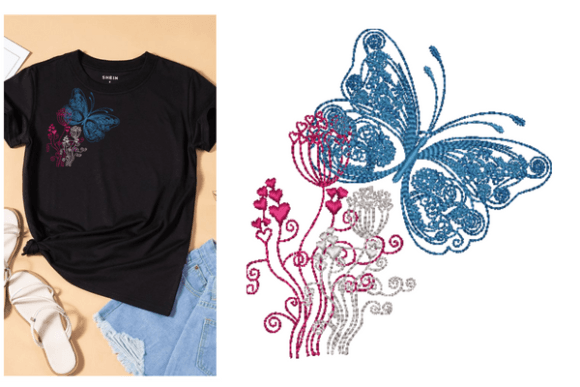
The visual personality is colorful and lively, which aligns perfectly with the product description’s promise of a "colorful look." However, as a reviewer, I look beyond the colors. I examine the flow of the lines. Do the wings have a natural curve? Yes. Does the body structure provide a solid anchor for the stitching? In most variations I tested, the answer was affirmative. This makes it a strong candidate for both custom apparel and home decor items.
Real-World Application Scenarios
To truly evaluate a machine embroidery design, you must imagine it on specific products. I simulated several common use cases to see where this design shines.
- Tote Bag Design: On a heavy cotton canvas, the design popped beautifully. The larger scale versions of the butterfly worked exceptionally well here, providing a bold statement piece that appeals to boutique shoppers.
- Sweatshirt Embroidery: Placing the design on the chest of a fleece-lined hoodie required careful attention to stabilizer choice. The result was soft and flexible, avoiding the stiff "cardboard" feel that customers dislike. It added a touch of elegance to casual wear.
- Baby Embroidery: For onesies and burp cloths, I selected the smaller, simpler iterations of the design. The lack of excessive tiny details meant fewer loose threads, which is a safety and durability priority for infant items.
- Kitchen Towels and Aprons: The design added a charming, handmade touch to linen towels. It transformed a basic household item into a potential holiday embroidery gift or a housewarming present.
For small shop product lines, consistency is vital. Using Butterfly Embroidery Designs across a collection—such as matching pillow covers and wall art—creates a cohesive brand identity. It helps in building recognition and trust with buyers who appreciate attention to detail.
Navigating Fabric and Hoop Challenges
While the design is versatile, it is not without its limitations. Experienced embroiderers know that certain fabrics demand respect. I encountered challenges when testing the design on highly textured fabrics. The intricate parts of the wings sometimes got lost in the weave of thick terrycloth or rough burlap. For these materials, I recommend using a heavier weight thread or simplifying the color palette to ensure clarity.
Stretchy fabrics, such as jersey knits used in t-shirts, require precise hooping. If the fabric shifts even slightly, the symmetry of the butterfly can be compromised. I strongly advise using a cut-away stabilizer for these projects to maintain the integrity of the finished product. Additionally, when working on curved surfaces like caps, the center of the design must be aligned perfectly with the crown seam to avoid distortion.
Dark fabrics present another consideration. While the design is colorful, some lighter thread colors may not provide enough contrast against black or navy blue. I suggest running a test stitch on scrap fabric first. Adjusting the thread colors to include metallics or brighter shades can enhance visibility and visual appeal on darker backgrounds.
Commercial Viability and Brand Value
For commercial embroidery professionals and digital product sellers, the value of a design lies in its reliability and marketability. Butterfly Embroidery Designs offers a high perceived value. Customers often associate intricate nature motifs with higher quality and effort. This perception can justify a higher price point for your handmade product.
When creating printable mockup assets for your online store, this design photographs well. The shapes are distinct, making them easy to recognize in thumbnail images. This improves buyer engagement and click-through rates. However, always verify the licensing terms before selling. While the description mentions adding the design to various items, confirming whether the digital embroidery file allows for unlimited commercial sales is a necessary step for any serious entrepreneur.
Practical Designer Notes
Before you commit to a large production run or list a new item, consider these technical checks:
- Test on Scrap Fabric: Always stitch out a sample on the exact fabric type you intend to use. This reveals issues with puckering or thread breaks.
- Check Stitch Density: Review the file settings. If the density is too high for lightweight fabric, it may cause tearing. Adjust your stabilizer accordingly.
- Inspect Small Details: Zoom in on the digitized file. Are there unnecessary jump stitches? Clean up the file if possible to reduce trimming time.
- Contrast Testing: View the design in black and white. If the details disappear, you may need to adjust thread choices for better definition.
- Hoop Size Confirmation: Ensure the design fits within your available hoop sizes. Some larger butterflies may require a 5x7 or 6x10 hoop, while smaller ones fit in a 4x4.
In conclusion, Butterfly Embroidery Designs is a robust addition to any designer’s library. It belongs to the Bugs category but transcends simple classification through its artistic execution. It performs reliably across a range of Embroidery applications, from embroidered patch creations to elaborate home decor. By respecting the material constraints and preparing thoroughly, you can leverage this design to create stunning, sellable items that resonate with customers. It is a tool that, when used with skill, enhances both the aesthetic and commercial value of your work.