Reviewing Rose Flowers Embroidery Designs for Business
As an embroidery designer who has spent years digitizing files and consulting with small business owners, I approach every new digital embroidery file with a critical eye. It is not enough for a design to look pretty on a screen; it must perform under the needle. Recently, I evaluated Rose Flowers Embroidery Designs to determine its viability for commercial use. This review focuses on how this floral asset translates into tangible value for boutiques, cafes, bakeries, and handmade brands looking to elevate their brand identity through high-quality stitched merchandise.
First Impressions and Visual Personality
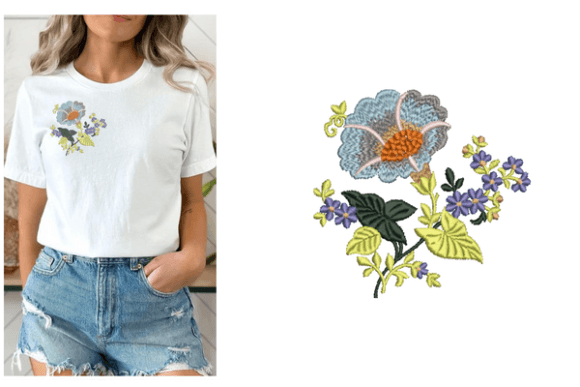
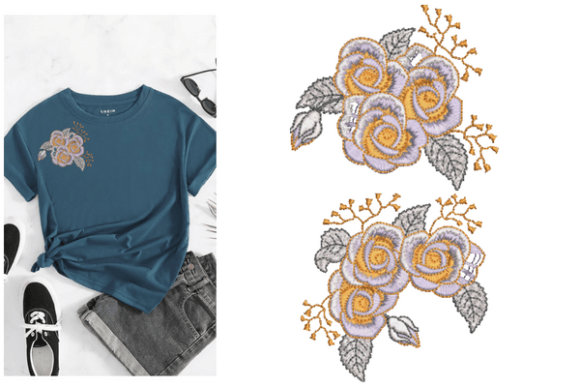
The immediate impression of Rose Flowers Embroidery Designs is one of versatile elegance. The description notes that it can be beautifully embroidered on any fabric, suggesting a balanced approach to stitch placement that avoids excessive bulk. Visually, the design leans toward a classic yet colorful aesthetic. It does not scream modern minimalism, nor does it feel overly rustic. Instead, it occupies a sweet spot that feels both professional and friendly.
For businesses in the Floral category, such as local florists or garden centers, this design offers an instant visual connection to their core offerings. However, its appeal extends beyond plant shops. A boutique coffee shop might use it to soften the industrial feel of their space, while a pet brand could use it to add a touch of warmth to their packaging. The "colorful look" promised in the product description is key here. In commercial embroidery, color is a primary driver of customer engagement. A well-executed rose design can make a plain tote bag feel like a premium accessory rather than a generic giveaway.
Real-World Applications for Small Business Merch
When considering Rose Flowers Embroidery Designs for your inventory, think beyond standard t-shirts. The true value of a robust embroidery file lies in its adaptability across various substrates. Here is how I envision this design performing in real business scenarios:
- Embroidered Patches: This is perhaps the strongest use case. A rose motif works exceptionally well as a standalone patch. You can sew these onto denim jackets, canvas backpacks, or even use them as branded seals on product packaging. Patches allow customers to buy into your brand without committing to a full garment.
- Apron Embroidery: For bakeries, florists, and craft studios, staff uniforms are walking billboards. Placing this design on the chest pocket or lower corner of an apron adds a layer of professionalism. It signals attention to detail and care, which translates directly to customer trust.
- Tote Bag Design: Canvas totes are a staple for small business merch. The sturdy texture of canvas holds embroidery well. A single rose on a tote bag creates a chic, understated look that customers are likely to use daily, increasing brand visibility.
- Cap Embroidery: While roses can be complex for curved surfaces, a simplified version of this design could work beautifully on the side panel of a dad hat or baseball cap. It offers a feminine touch to otherwise neutral headwear.
Each of these applications turns a simple handmade product into a branded asset. When a customer wears or uses an item with your logo or signature design, they become an ambassador for your business.
Technical Considerations and Production Notes
While the aesthetic potential is high, technical execution is where many designs fail. As a designer, I always advise checking specific technical details before running a production batch. The product description mentions it works on pillows, towels, bags, apparel, and home decor. This versatility implies the design has been optimized for different fabric textures, but you must still proceed with caution.
First, consider stitch density. Roses often involve satin stitches for petals and fill stitches for leaves. If the density is too high, the fabric may pucker, especially on lighter materials like cotton tees. If it is too low, the backing may show through. Always run a test stitch-out on the exact fabric you plan to use for your finished product.
Second, evaluate the hoop size requirements. Ensure the design fits within your machine’s capabilities without requiring excessive re-hooping, which can lead to misalignment. For small items like pocket logos, verify that the fine details of the rose petals do not merge together when scaled down. A design that looks crisp at four inches may become a muddy blob at two inches.
Third, address the issue of stabilizer choice. Towels and thick canvas bags require cut-away stabilizers for durability, while delicate apparel may need tear-away to maintain softness. Using the wrong stabilizer can ruin the drape of the garment or cause the embroidery to shift after washing.
Strategic Branding and Customer Perception
Why invest in a quality machine embroidery design like Rose Flowers Embroidery Designs? Because it elevates perceived value. Printed graphics can crack and fade; embroidery is tactile, durable, and associated with quality. When a customer touches a raised stitch, they subconsciously register the item as premium.
Consistency is also vital. If your brand uses floral motifs in your logo, website, and packaging, having a matching embroidered element creates a cohesive brand identity. This visual consistency helps with recognition. Whether it is a sleeve detail on a staff shirt or a small accent on a gift box, the rose becomes a symbol of your business’s aesthetic standards.
Furthermore, embroidered items have a longer lifespan than printed ones. They withstand frequent washing better, which is crucial for items like aprons and uniforms. This durability reflects positively on your business, suggesting that you value longevity and quality in your own operations.
Final Designer Recommendations
Before integrating Rose Flowers Embroidery Designs into your product line, follow these practical steps:
- Test in Monochrome: Stitch the design in black thread on white fabric first. This reveals the structural integrity of the digitizing without the distraction of color. If it looks good in black and white, it will look great in color.
- Check Thread Contrast: Choose thread colors that contrast sufficiently with your base fabric. A dark red rose on a navy shirt may get lost. Use a printable mockup or digital tool to visualize color combinations before purchasing thread.
- Verify Licensing: Ensure the license terms allow for commercial use. Most design assets sold online have specific rules about the number of physical items you can produce. Confirm this to protect your business legally.
- Create Client Mockups: If you are offering custom apparel services, use this design in your portfolio. Show it on a tote, a cap, and a shirt. Visual proof helps clients say yes.
In conclusion, Rose Flowers Embroidery Designs is a strong contender for businesses looking to add a touch of organic beauty to their merchandise. It bridges the gap between decorative art and functional branding. By paying attention to technical details like stabilizer choice and stitch density, you can ensure that every piece you produce reinforces your reputation for quality. For Etsy sellers, boutique owners, and creative studios, this design offers a reliable way to create memorable, high-value custom apparel and accessories that customers will love to keep.