Juneteenth1865 Faux Embroidery Review
As an embroidery designer who has spent countless hours behind the hoop and even more time standing behind a craft fair table, I know that not every digital file translates into a bestseller. When I first loaded the Juneteenth1865 Faux Embroidery Design onto my screen, my immediate thought was about visual impact. In the crowded marketplace of handmade goods, especially during significant cultural celebrations like Juneteenth, your product needs to speak loudly and clearly. This design, categorized under Illustrations and Graphics, promises a stunning aesthetic dedicated to celebrating freedom. But does it hold up when stitched out on actual fabric? Let’s break down how this design performs for the serious craft fair seller and Etsy entrepreneur.
First Impressions and Visual Appeal
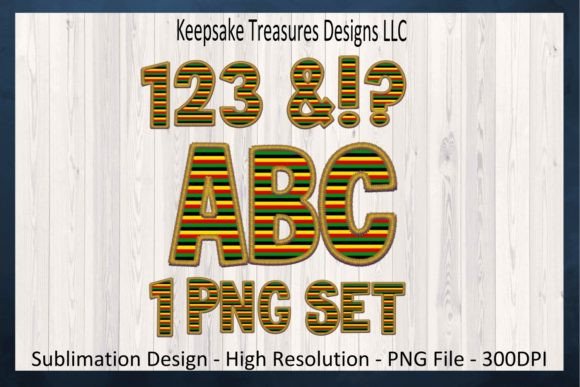
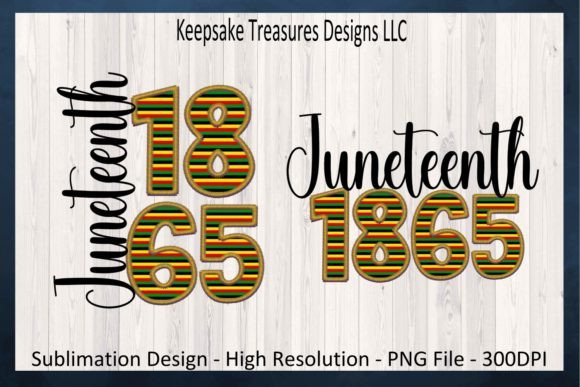
The term "faux embroidery" in the title suggests a printed or sublimated look that mimics the texture of thread without the actual stitching time. However, for those of us who work with a true machine embroidery design, the evaluation criteria are slightly different. If this is being used as a graphic reference for actual stitching, the boldness of the 1865 motif is crucial. My first impression is that the design feels festive yet dignified. It strikes a balance between modern graphic design and traditional commemorative art. For a weekend craft fair booth, this is vital. Customers walking past your table have seconds to decide if they stop. A design that is too intricate or too subtle often gets lost. The Juneteenth1865 Faux Embroidery Design appears to have the strong lines necessary to catch the eye from a distance, making it an excellent candidate for high-visibility items.
Best Products for Maximum Sales
Choosing the right canvas for your embroidery file can make or break your profit margin. Based on the description, this design is tailored for T-shirts, but its versatility extends further for the handmade market. Here is where I see this design shining:
- Tote Bag Design: A canvas tote with this motif is a perennial bestseller. The flat surface allows the design to remain crisp, and the utility of the bag ensures repeated exposure for your brand.
- Apron Embroidery: Kitchen aprons are huge in the boutique maker community. Placing this design on the bib or lower corner adds a touch of historical reverence to a functional item.
- Tea Towel Embroidery: While tricky due to fabric texture, a well-stabilized tea towel with this graphic can be a premium gift item. Ensure you use a cut-away stabilizer to prevent puckering.
- Embroidered Patch: If the design scales down well, turning it into an iron-on or sew-on patch allows customers to customize their own jackets or bags, increasing the perceived value of your small shop product.
For cap surfaces, proceed with caution. Curved surfaces distort designs. If the lettering in the Juneteenth1865 Faux Embroidery Design is small, it may become illegible on a structured cap. Stick to larger focal points like pillow covers or market bags for the best clarity.
Production Practicality for Craft Fairs
When preparing for a craft fair, batch production is key. You cannot afford to spend three hours on a single item if you need fifty units for the weekend. This is where understanding stitch density becomes critical. Although the product description mentions it is a digital sublimation design, if you are adapting this into a stitched format or using it as a guide, you must check the density. High-density areas can cause fabric pull and needle breaks, slowing down your production line.
Photography is another major factor. As an Etsy seller, your main image must pop. The contrast in this design helps significantly. Dark thread colors on light fabric, or vice versa, will photograph beautifully for your online listings. Create at least one real printable mockup or staged photo to test how the design looks in natural light. Does it look premium? Does it look like a mass-produced import, or does it retain that handmade charm? The Juneteenth1865 Faux Embroidery Design seems to lean towards a premium, commemorative feel, which allows you to price your finished product higher than simple novelty items.
Careful-Use Notes and Technical Considerations
Before you commit to a large run, there are technical hurdles to clear. First, always test the design on scrap fabric identical to your final product. Fabric texture plays a massive role in how a design reads. A textured waffle-weave towel will swallow up fine details, whereas a smooth cotton poplin will showcase them.
Pay close attention to small lettering. If the "1865" or any accompanying text is tiny, it may merge together when stitched, especially on thick fabrics like denim or canvas. Check your hoop size compatibility. If the design is large, ensure your machine can handle the dimensions without requiring complex re-hooping techniques that increase labor time.
Furthermore, confirm the licensing. The description mentions it is a digital asset, but you must verify if it includes commercial rights for physical goods. Never assume. Selling commercial embroidery products without proper clearance can shut down your shop. If this is strictly a sublimation graphic, ensure your printing method aligns with the fabric composition—polyester blends work best for sublimation, while cotton requires different transfer methods.
Enhancing Brand Consistency and Engagement
Using a cohesive set of design assets helps build brand recognition. If the Juneteenth1865 Faux Embroidery Design fits your aesthetic, use it across multiple product lines. A customer who buys a tote bag might return for a matching pillow cover if the visual language is consistent. This design aids in buyer engagement because it tells a story. It is not just a pattern; it is a celebration of history. This emotional connection drives sales at craft fairs where shoppers are looking for meaning behind their purchases.
To maximize the potential of this digital embroidery file or graphic, consider offering customization. Allow customers to choose their thread colors or fabric backgrounds. This interactivity increases the perceived value and makes the item feel bespoke. Remember, the goal is to create a craft fair product that stands out in a sea of generic goods. By focusing on quality execution, proper stabilizer use, and strategic product placement, this design can become a staple in your seasonal collection.
In conclusion, the Juneteenth1865 Faux Embroidery Design offers a strong foundation for meaningful, sellable handmade goods. Whether you are an experienced embroidery business owner or a creative entrepreneur just starting with Cricut and embroidery crafts, this design warrants a spot on your production schedule. Just remember to test, verify your licenses, and let the quality of your craftsmanship shine through.