Review: Faux Stitch Embroidery Letters Numbers
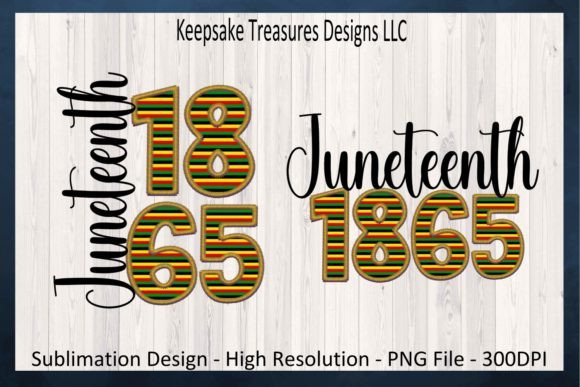
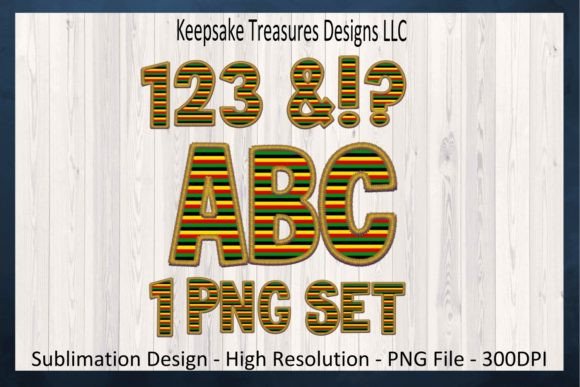
As an embroidery designer who has spent years digitizing logos for everything from corporate uniforms to boutique café aprons, I am always on the lookout for design assets that bridge the gap between digital efficiency and handmade charm. Recently, I had the opportunity to evaluate Faux Stitch Embroidery Letters Numbers, a unique collection also referred to as the Juneteenth Alphabet. This set of Illustrations and Graphics offers individual PNG files for each character, presenting an intriguing option for small business owners looking to elevate their branded merchandise without the immediate overhead of complex machine embroidery digitizing.
First Impressions: Visual Personality and Brand Fit
The moment I opened the files, the aesthetic struck me as distinctly warm and inviting. The term "faux stitch" implies a visual mimicry of thread work, and this collection delivers on that promise with a texture that feels both rustic and premium. For brands aiming to project authenticity, this style is invaluable. It does not look like sterile, vector-based clip art; instead, it carries the soul of a handmade product.
For a local bakery, a florist, or a creative studio, this visual language speaks directly to customers who value craftsmanship. The letters feel friendly yet professional, avoiding the overly playful tone that can sometimes undermine perceived value in high-end retail. However, because these are Graphics rather than native machine embroidery design files, the application requires strategic thinking. They are best suited for printed transfers, heat presses, or as reference images for custom digitizing, rather than direct machine stitching out of the box.
Real-World Applications for Small Business Merch
When considering how Faux Stitch Embroidery Letters Numbers performs in a commercial setting, versatility is its strongest asset. Here is how I envision these assets working across various product lines:
- Custom Apparel and Uniforms: For staff t-shirts or polo shirts, these graphics can be printed using high-quality DTF (Direct to Film) transfers to mimic the look of embroidery. This reduces production time while maintaining the textured aesthetic clients love.
- Embroidered Patch Production: If you have access to digitizing software, these PNGs serve as excellent underlay references. You can trace the faux stitch lines to create a true embroidered patch that captures the organic feel of the original illustration.
- Tote Bag Design: Canvas totes are a staple for eco-conscious brands. The bold, textured look of these letters stands out beautifully against natural cotton fibers, making them ideal for grocery bags or event giveaways.
- Apron Embroidery Accents: For cafes and boutiques, adding a monogram or short word to aprons creates a cohesive team look. Using these graphics as a guide for single-needle machines allows for precise placement on curved surfaces.
- Cap Embroidery: While challenging due to the curved surface, the standalone nature of each letter allows for flexible sizing. You can adjust the scale of individual characters to fit the narrow front panel of a baseball cap effectively.
Navigating Technical Constraints and Fabric Choices
While the visual appeal is strong, there are critical technical considerations when using digital embroidery file alternatives like these PNGs. Since these are not native stitch files, you must be mindful of how they translate to physical products.
Stitch Density and Texture: If you choose to digitize these designs yourself, pay close attention to stitch density. The faux stitch effect often relies on overlapping lines. In real thread, too much density can cause puckering, especially on lightweight fabrics. Always test on a scrap piece of fabric similar to your final product.
Fabric Texture and Contrast: These designs rely on visual contrast to sell the "stitched" illusion. On dark uniforms or heavily textured materials like wool or terry cloth, the details might get lost. I recommend using high-contrast thread colors if digitizing, or ensuring high-resolution printing if using transfers. White or cream graphics on navy or black fabric tend to pop the most, enhancing readability.
Small Patch Sizes: Be cautious when scaling these down for tiny labels or chest logos. Intricate faux stitch details can blur together if the hoop size is too small or if the print resolution is insufficient. Always create a printable mockup at actual size to verify legibility before committing to production.
Enhancing Brand Identity and Customer Trust
In the world of small business merch, consistency is key to building trust. Faux Stitch Embroidery Letters Numbers helps establish a cohesive brand identity by providing a uniform typographic style across all touchpoints. Whether a customer sees your logo on an Etsy listing, a physical tag, or a tote bag, the consistent "hand-stitched" aesthetic reinforces the narrative of quality and care.
This visual consistency boosts buyer engagement. Customers are more likely to perceive a brand as premium and trustworthy when the design assets look intentional and polished. By using these letters for product packaging accents or thank-you notes, you extend the brand experience beyond the primary product, creating a memorable unboxing moment.
Practical Designer Notes for Implementation
Before integrating Faux Stitch Embroidery Letters Numbers into your workflow, consider these professional tips:
- Test in Black and White: Convert the PNGs to grayscale first. If the design loses its definition without color, it may not work well on low-contrast fabrics.
- Check Spacing and Kerning: Since each letter is an individual file, you will need to manually arrange them in your design software. Pay close attention to spacing to ensure the words look balanced and professional.
- Confirm Commercial Licensing: The description mentions downloadable individual PNG files. Always verify the license terms to ensure you have the right to use these Illustrations for commercial commercial embroidery projects or resale items.
- Use Proper Stabilizer: If digitizing these for actual stitching, match your stabilizer to the fabric weight. A cut-away stabilizer is often best for stretchy garments to prevent distortion.
- Create Client Mockups: Use these graphics to create realistic printable mockup visuals for client approval. This saves time and ensures everyone agrees on the final look before production begins.
In conclusion, Faux Stitch Embroidery Letters Numbers is a versatile tool for designers and small business owners. While it requires careful handling regarding file formats and production methods, its ability to convey warmth and professionalism makes it a valuable addition to any brand’s design assets. Whether used for custom apparel, branded patches, or decorative accents, this collection offers a charming solution for those looking to add a touch of handmade elegance to their merchandise.