Tumbler Sheep Easter Embroidery Review
As an embroidery designer who spends countless hours digitizing and testing files, I approach every new machine embroidery design with a critical eye. It is not just about how it looks on the screen; it is about how it performs in the real world of craft fairs and handmade markets. Recently, I evaluated the Tumbler Sheep Easter Embroidery to determine its viability for my upcoming spring booth lineup. While the source material describes this as part of a sublimation bundle featuring PNG files, my focus here is strictly on translating that visual charm into stitched reality for tangible goods.
First Impressions: A Festive and Whimsical Appeal
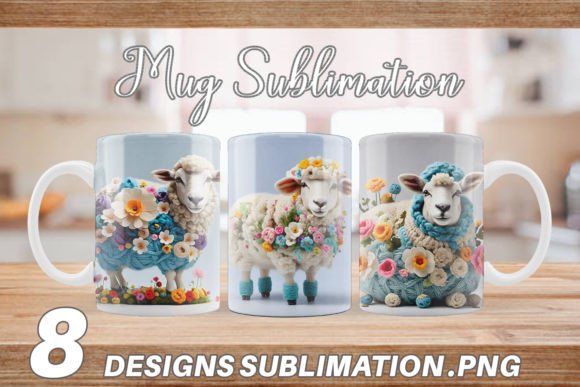
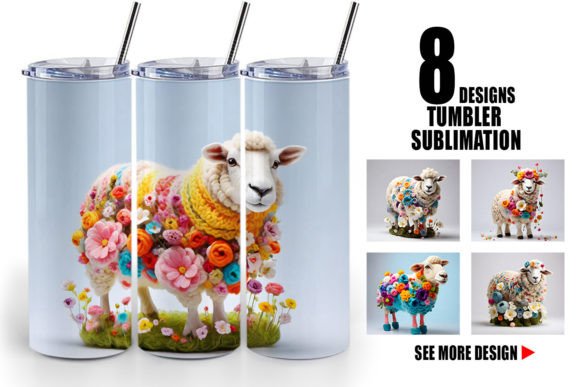
The immediate reaction to the Tumbler Sheep Easter Embroidery concept is one of lighthearted joy. The imagery suggests a blend of rustic farmhouse aesthetics with modern festive flair. For a craft fair seller, this is gold. Customers at spring markets are often looking for items that feel fresh, cute, and seasonally appropriate without being overly religious or traditional. This design hits that sweet spot. It feels soft, decorative, and inherently giftable. When I visualize this as a set of Illustrations or Graphics, I see clear lines and playful elements that translate well into thread, provided the digitization respects the original art’s simplicity.
Product Versatility for the Handmade Market
The true test of any digital embroidery file is its versatility. Can it survive on different fabrics? Does it look good on various items? Here is how I see this design performing across my product range:
- Tote Bag Design: A large hoop version of this sheep motif would make a stunning focal point on canvas tote bags. The contrast of white or pastel thread against natural cotton canvas creates a premium, boutique look that sells quickly.
- Apron Embroidery: Placing the design on the bib of a kitchen apron adds a touch of personality. It appeals to home cooks who love seasonal decor and makes for an excellent handmade product gift for hosts.
- Tea Towel Embroidery: This is perhaps the strongest contender. Tea towels are low-cost to produce but have high perceived value when embroidered. The sheep design, if scaled correctly, adds charm to plain linen or cotton towels.
- Embroidered Patch: Creating iron-on patches allows customers to customize their own jackets or bags. This extends the life of the design beyond a single item and appeals to younger demographics.
- Caps and Pouches: For curved surfaces like caps, the design must be simplified. However, on flat fabric pouches or market bags, it can retain more detail, serving as a cute accent for everyday carry items.
Production Practicality and Batch Selling
For an Etsy seller or small shop owner, time is money. The Tumbler Sheep Easter Embroidery appears to have clean lines, which suggests it could be efficient to stitch. However, one must be wary of stitch density. If the original graphic has solid blocks of color, these need to be broken up with running stitches or lighter fill patterns to prevent puckering. A design that takes twenty minutes to stitch is far more profitable than one that takes an hour, especially when producing batch runs for a weekend fair.
Photography is another crucial factor. This design, with its likely use of bright spring colors, will photograph beautifully for online listings. High-contrast thread colors against neutral fabrics pop in photos, driving clicks and engagement. A well-lit photo of an embroidered tea towel with this sheep motif can significantly boost buyer engagement compared to a plain printed version.
Careful-Use Notes for Embroiderers
While the design is appealing, there are technical pitfalls to avoid. Always check the hoop size requirements. If the design is intended for a 4x4 hoop, do not attempt to stretch it to a 5x7 without checking the stitch count and density, as this can lead to thread breaks and needle damage. Additionally, consider the fabric texture. Thick, textured towels can swallow up small details. If the sheep has tiny facial features or intricate wool textures, these may get lost on terry cloth. In such cases, opt for smoother fabrics like linen or polished cotton.
Dark fabrics present another challenge. If you plan to offer this on navy or black items, ensure the design includes underlay stitches that provide a base for the top threads, or choose high-visibility thread colors. Never assume a design will look the same on dark fabric as it does on light fabric without a test run.
Enhancing Brand Consistency and Booth Display
Using a cohesive theme like Tumbler Sheep Easter Embroidery across multiple products strengthens brand consistency. When a customer sees the same charming sheep on a tote, a towel, and a patch, it creates a recognizable collection. This visual repetition makes your booth display stronger and more memorable. It signals to buyers that you are a professional creator with a curated line, rather than someone selling random unrelated items. This perception of quality increases the perceived value of each craft fair product.
Essential Designer Checks Before Production
Before committing to full production, follow these practical steps:
- Test on Scrap Fabric: Always stitch out the design on the exact fabric you intend to sell. Check for puckering, thread breaks, and registration issues.
- Check Thread Contrast: Ensure the chosen thread colors stand out against the fabric. Pastels on white may vanish; consider using slightly darker shades for definition.
- Review Spacing and Density: Inspect the stitch path. Are there long jumps that need tying off? Is the density too high for lightweight fabric?
- Use the Right Stabilizer: Match your stabilizer to the fabric weight. Cut-away for stretchy knits, tear-away for stable wovens.
- Create a Real Mockup: Do not rely solely on digital previews. Stitch one perfect sample and photograph it for your printable mockup or Etsy listing images.
- Confirm Licensing: Since the source mentions a sublimation bundle, verify if you have the rights to use the artwork for commercial embroidery. Ensure your license covers physical goods, not just digital prints.
In conclusion, the Tumbler Sheep Easter Embroidery offers a delightful opportunity for spring sales. By paying attention to technical details like stitch density and fabric choice, you can transform this graphic concept into a best-selling small shop product. Whether used on aprons, totes, or towels, its charm lies in its simplicity and festive spirit, making it a worthy addition to any handmade inventory.